Research-led physics AI: engineering simulation software.
Our model learns from simulations your team has already run and operates entirely within your secure infrastructure. Your data stays yours.
Fast enough to explore. Accurate enough to build from.
How NPco works
A 3D mesh goes in. The optimal solution comes out. What happens in between is the architecture we built, purpose-designed for the physical reality you are testing.
Upload mesh
Fine-tune
Predict
Validate & export
Simulate in seconds. Trust the result.
Thermal, structural, fluid. Across any geometry, at any scale.
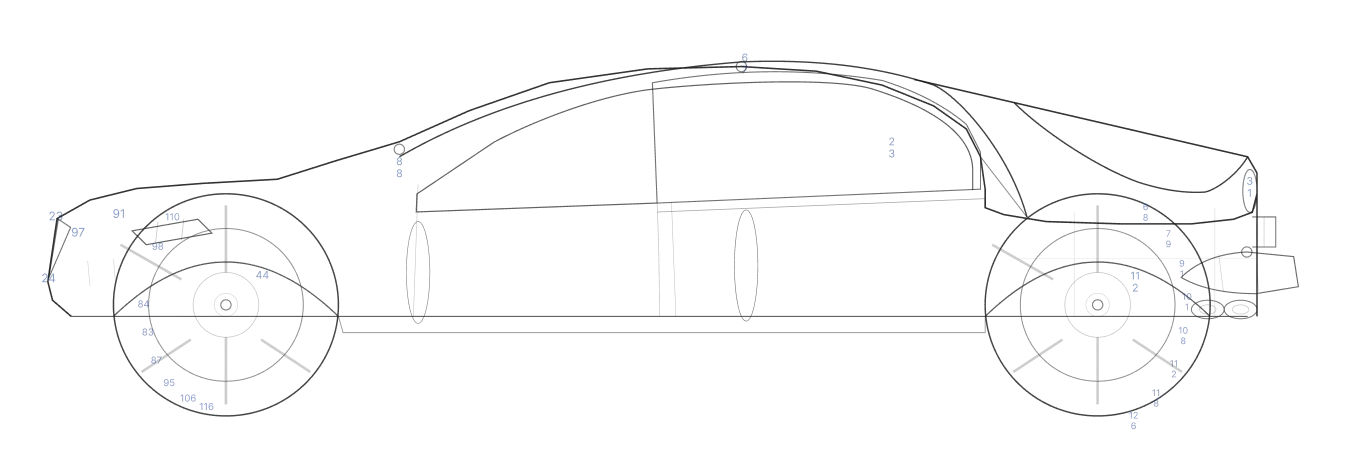
Car engine
1,000x
Same
24h
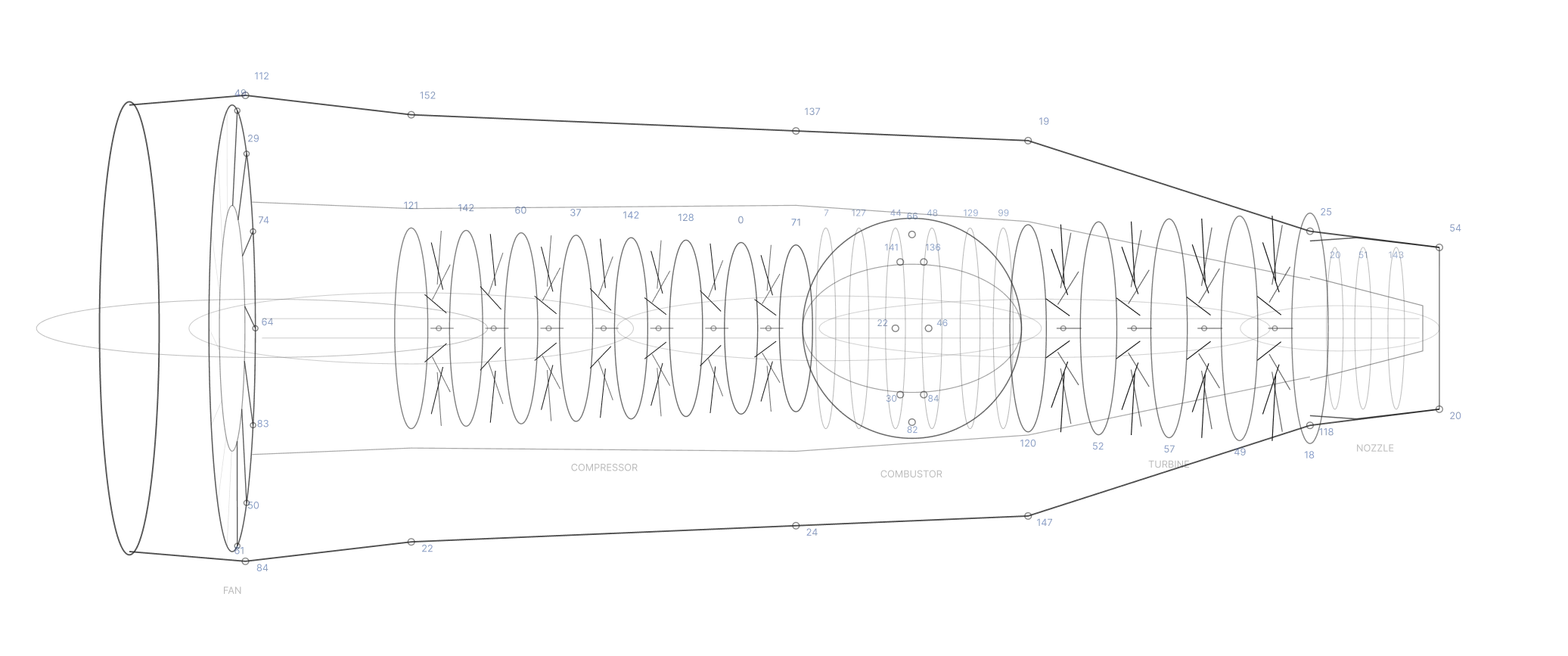
Turbine
55ms
0.4%
50 samples
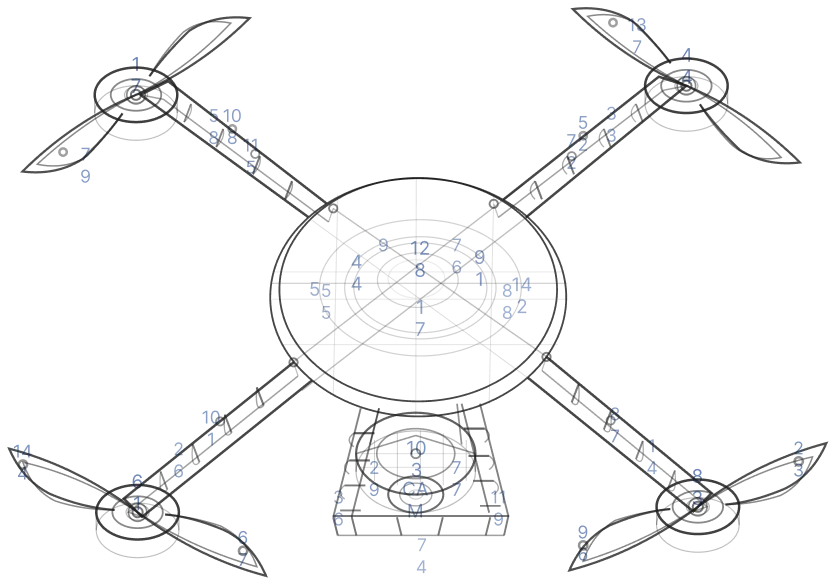
Drone
55ms
50
1 GPU
Numbers that change what's possible.
50
1 min.
100M+
The physics hasn’t changed. The tools finally have.
Traditional solvers gave you the right answer, eventually.
Earlier AI gave you a fast guess. NPco gives you both.
FAQ
What engineers ask before a first benchmark.
How accurate is NPco compared with a classical solver?
The best way to judge accuracy is on your own case. We benchmark on a problem your team has already solved, and you compare our predictions side by side with your reference results.
What data does NPco need to get started?
The simulations your team has already run. NPco's models learn from your own past simulations and adapt to your physics domain.
How does NPco fit with our existing CAE tools?
NPco takes the same 3D meshes your team already uses and returns full-resolution fields you can export to your post-processing stack. It connects to existing CAE workflows through an API.
How do we evaluate NPco?
Bring a case your team has already run. We train on it and show you what the model does, side by side with your reference results. Talk to an engineer to set it up.
The rest is a conversation.
If you’re an engineer evaluating us against your pipeline, or a researcher who wants to build the models, write to us.